
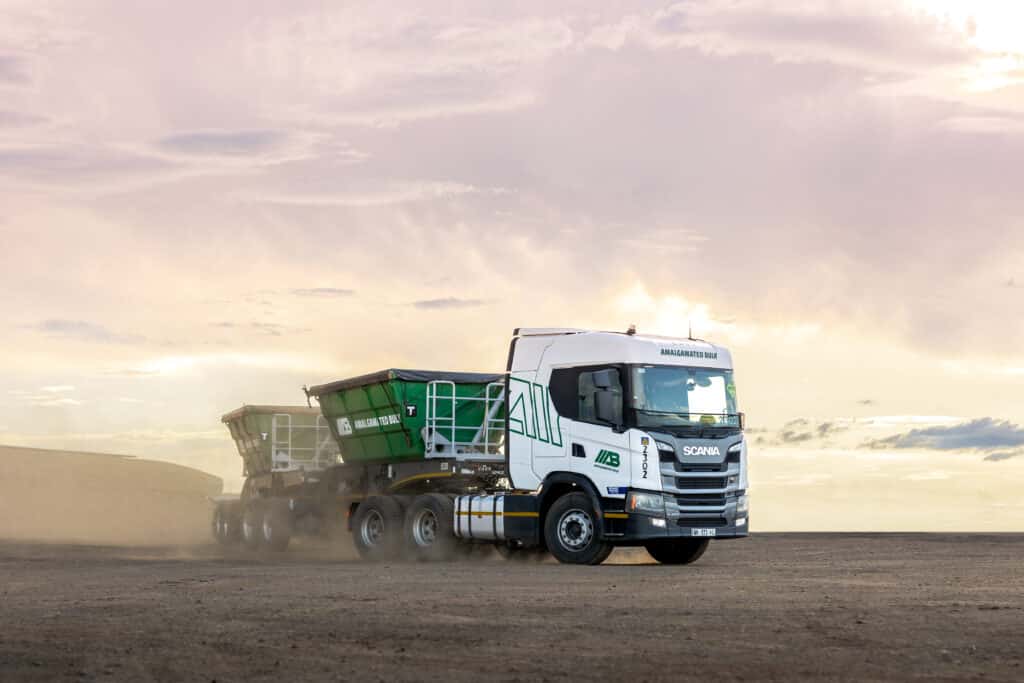
The Maputo Corridor has re-emerged to become one of the region’s most strategic trade routes over the past few decades. It supports mining houses, exporters, and industrial producers who need efficient bulk logistics solutions between the South African provinces of Mpumalanga, Limpopo, Gauteng and Mozambique.
But what exactly is the Maputo Corridor? What is the Maputo Corridor Logistics Initiative (MCLI) and why is it so important to this trade route? The team from Amalgamated Bulk, a division of Reinhardt Transport Group, has answered everything you need to know about the Maputo Corridor.
Table of Contents
What is the Maputo Corridor Logistics Initiative?
There is a difference between the Maputo Development Corridor (MDC) and the Maputo Corridor Logistics Initiative (MCLI) – although the two are related. The MDC is the broader regional development strategy designed to stimulate economic integration between South Africa and Mozambique. The MCLI refers to the operational logistics and trade route that support the MDC strategy, including:
- The N4 toll road
- The Ressano Garcia rail corridor
- The Lebombo/Ressano Garcia border post
- The Port of Maputo and its terminals
How Was the Maputo Corridor Established?
This corridor has traditionally been one of South Africa’s busiest trade routes, with up to 40% of South Africa’s exports moving through Maputo in the 1970s. This was its peak, and what followed was a period of decline until, around the 2000s, a coordinated public-private partnership revitalised this strategic trade route.
The Initiative was formally established in 2004 as a non-profit, private-sector-driven corridor to improve efficiency and competitiveness across the road, rail, and port infrastructure. There has been significant growth since then, with the corridor accommodating around 30 million tonnes of freight annually.

Why Is the Maputo Corridor Increasing in Importance
The Maputo Corridor has risen in significance because of increasing demand and infrastructure improvements. Three key reasons for its rapid development are outlined below.
- Growth of the Mining Sector
The global appetite for critical minerals continues to rise, which has made efficient mining haulage services a strategic necessity. There has been an increase in demand for chrome transport from South Africa, ferrochrome transport, and chrome ore transport, with a rise in manganese and coal exports.
The mining regions of Limpopo, Mpumalanga and Gauteng have been facing logistical pressure because of rail capacity constraints and congestion pressures in South Africa. Limpopo is the country’s 3rd largest mining producer; Mpumalanga accounts for 76% of South Africa’s coal mining output and 50% of national coal reserves; and Gauteng produces 40% of the country’s GDP.
That’s where the Maputo Corridor provides a solution. It offers:
- Shorter transit distances
- Reduced turnaround times
- Direct access to Indian and Far Eastern markets
- Infrastructure Investment
Exporters are now benefitting from increased capacity and improved reliability across the Maputo Corridor thanks to significant infrastructure investment. This includes the launch of the Maputo Port Development Company’s (MPDC) long-term master plan set to extend to 2043. The plan projects to grow throughput from 21 million tonnes per year to over 50 million tonnes. Key developments supporting this include:
- Container terminal expansion
- Rail infrastructure upgrades
- Liquified Natural Gas (LNG) import terminal development
- Improved road and storage facilities
Further support has been received from the African Development Bank, which approved funding to strengthen rail and port competitiveness.
- Improving Cross-Border Efficiency
There are efforts to improve the Lebombo border logistics efficiency by implementing a one-stop border post at Lebombo/Ressano Garcia. There are also plans for truck staging facilities and digital customs systems for a more seamless trade experience.
Under the African Continental Free Trade Area (AfCFTA), digital trade systems and more seamless processes are being prioritised. This is good news for bulk operators because predictability and reliability are critical when managing multi-route bulk transport and high-volume exports.

What are the Benefits of the Maputo Corridor?
The Maputo Corridor continues to support mining houses, industrial producers, and exporters by offering the following:
- Easier Port Access
Geographically, Maputo is closer to Gauteng and the industrial north than Durban or Richards Bay. The Maputo Corridor also connects South Africa’s industrial and commercial centre of the Witwatersrand via Pretoria.
- Congestion Reductions
The improvement and expansion of infrastructure have allowed the Maputo Corridor to provide an alternative export gateway, thereby reducing congestion along other trade routes.
- Access to Dry Ports and Depots
Komatipoort in Mpumalanga is a vital node in the Maputo Corridor. It’s the border town – via the Lebombo/Ressano Garcia border post – connecting Gauteng to Maputo. Facilities at Komatipoort include:
- Container yard logistics
- Bonded container transport
- Seamless customs processing
- Secure staging and cargo handling
- Integrated Trade Ecosystem
The Maputo Corridor supports collaboration between governments, port authorities, rail operators, and private logistics providers while supporting African economies.
Which Industries are Supported by the Maputo Corridor?
The Maputo Corridor is central to a number of key sectors, including:
- Chrome and chrome concentrate
- Manganese
- Coal and coke
- Gypsum
- Magnetite and other bulk ores
- Fertiliser & Agriculture
Corridor-Based Bulk Logistics in Practice
Amalgamated Bulk is Reinhardt Transport Group’s specialised cross-border division, headquartered in Komatipoort near the Lebombo border. With a fleet of over 150 trucks, the team focuses on high-volume Maputo Corridor logistics and precision bulk haulage South Africa solutions.
Amalgamated Bulk’s Operational Capabilities
Amalgamated Bulk continues to lead in providing bulk transport services along the Maputo Corridor for a number of reasons.
- Strategic Depot Access
Amalgamated Bulk’s 160,000m² Komatipoort facility allows for integrated logistics right next to the border. Their offerings include warehousing, staging areas, a weighbridge, washbay, fitment centre and OEM workshop.
- Advanced Fleet Monitoring
Amalgamated Bulk’s 24-hour vehicle tracking and dedicated fleet controllers ensure real-time visibility and proactive response.
- Border & Port Expertise
Amalgamated Bulk’s operational relationships with customs and harbour authorities support smooth port integration.
- Integrated Services
Beyond transport, Amalgamated Bulk provides:
- Cross-docking
- Cargo storage
- Documentation support
- Mine load-out operations
- On-site bulk loading

Why Bulk Logistics Expertise Matters
While the vast improvements and ongoing investment in the Maputo Corridor continue to support trade, exporters need to partner with experts in bulk logistics to truly unlock the corridor’s potential. Specialist operators can supply you with:
- Reliable side tipper transport services
- Vetted subcontracted transport services
- Overflow transport capacity
- Risk-managed cross-border coordination
- Predictable turnaround times
Through its corridor-based operations in Komatipoort, Reinhardt Transport Group supports structured, high-volume bulk transport aligned with the evolving regional trade dynamics, integrating fleet scale, operational oversight and cross-border expertise to enable predictable bulk movement.

