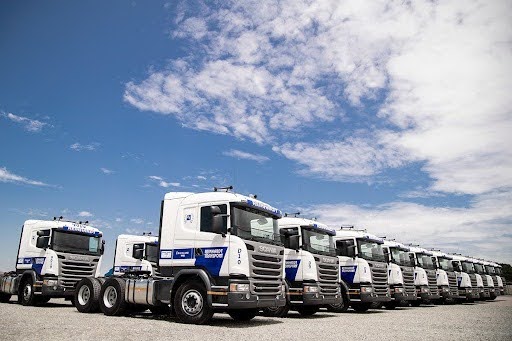
Efficient port operations remain a critical component of mining and bulk commodity export supply chains. However, increasing congestion, limited infrastructure capacity, and operational delays continue to place pressure on exporters across South Africa. In this environment, port space and staging solutions play an important role in supporting structured cargo flow, reducing bottlenecks, and improving coordination between transport providers and port facilities.
For organisations managing high-volume exports, the ability to effectively stage, store, and sequence cargo near port facilities can directly influence turnaround times, cost efficiency, and overall supply chain reliability.
Table of Contents
The Challenge: Port Congestion and Limited Staging Capacity
Port congestion remains a persistent issue across key export hubs such as Durban and Richards Bay. Delays in vessel berthing, container handling, and cargo processing often result in extended waiting times for transport operators.
These challenges highlight the need for effective port congestion solutions that improve cargo flow and reduce delays.
- Limited on-site port storage capacity
- Inefficient cargo sequencing and coordination
- High volumes of inbound transport vehicles
- Infrastructure constraints affecting access routes
Port inefficiencies and logistics bottlenecks continue to impact trade competitiveness in developing economies, particularly where transport infrastructure constraints are present.
For exporters, these conditions can lead to:
- Increased demurrage and detention costs
- Delays in meeting export schedules
- Reduced fleet utilisation efficiency
- Disruption to downstream operations
The Impact on Export Operations
Without structured staging strategies, transport operations can become reactive rather than coordinated.
When vehicles arrive at ports without pre-planned sequencing or staging capacity:
- Queuing times increase
- Turnaround times become unpredictable
- Idle time impacts fuel consumption and operational costs
- Delivery schedules become more difficult to manage
In high-volume commodity environments, these inefficiencies can scale quickly, affecting multiple shipments and placing pressure on production timelines.
As a result, exporters increasingly require logistics partners that can manage not only transport execution, but also pre-port coordination and staging strategies.
The Solution: Structured Port Space and Staging Solutions
Port space and staging solutions provide a structured approach to managing cargo flow before it reaches port terminals and support broader export logistics optimisation across high-volume supply chains.
Rather than relying solely on port infrastructure, these solutions utilise:
- Off-port staging areas
- Dedicated depot facilities
- Coordinated scheduling systems
- Real-time communication between transport and port stakeholders
By staging cargo in controlled environments near port facilities, transport providers can regulate the flow of vehicles entering the port, reducing congestion and improving coordination.
These approaches form part of a broader operational framework outlined in our Value Proposition page.
Key Components of Effective Staging Strategies
Off-Port Staging and Buffer Zones
Off-port staging areas allow cargo to be held temporarily in secure, controlled environments before being dispatched to port terminals. These facilities function as logistics staging and warehousing near ports, enabling better control over cargo flow and timing.
These buffer zones support:
- Controlled release of vehicles into port systems
- Reduced congestion at entry points
- Improved cargo sequencing
This approach helps ensure that cargo arrives at the port only when it can be processed, reducing unnecessary waiting time.
Coordinated Scheduling and Slot Management
Effective staging relies on precise scheduling.
Transport providers coordinate delivery windows based on:
- Vessel schedules
- Port processing capacity
- Client production timelines
This allows for better alignment between cargo arrival and port operations, reducing the likelihood of delays.
Integration with Transport Operations
Staging solutions are most effective when integrated with broader transport operations.
This includes:
- Fleet tracking and communication systems
- Route optimisation to align with staging timelines
- Real-time adjustments based on port conditions
Improved coordination between transport and terminal operations can enhance throughput efficiency and help reduce congestion-related delays.
These systems are supported through coordinated fleet management and technical oversight, as outlined in our RTG Technical Services capability.
Secure Handling and Storage
Staging facilities must also maintain high standards of security and operational control.
This includes:
- Controlled access points
- Surveillance systems
- Structured cargo handling processes
These measures ensure that cargo remains protected while awaiting dispatch to port facilities.

Why These Solutions Matter
Implementing structured port space and staging solutions can provide several operational advantages:
- Reduced port congestion exposure
- Improved turnaround times
- Lower demurrage and detention costs
- Better fleet utilisation
- Greater predictability in export scheduling
For mining and bulk commodity exporters, these benefits contribute directly to maintaining reliable supply chains and meeting contractual obligations.
In addition, improved staging and coordination can support broader efficiency goals by reducing unnecessary fuel consumption and idle time.

Anonymised Operational Scenario
In one anonymised scenario, a high-volume exporter experienced recurring delays due to congestion at a major South African port.
By introducing a structured staging strategy using nearby depot facilities, the transport operation was able to regulate vehicle flow into the port. Vehicles were dispatched based on real-time port capacity rather than fixed schedules.
This approach reduced queuing times, improved turnaround efficiency, and lowered exposure to demurrage costs during peak export periods.
While operational conditions vary, this example highlights how staging strategies can support more controlled and predictable logistics performance.
Supporting Efficient Export Logistics
Reinhardt Transport Group operates one of Southern Africa’s largest and most established bulk logistics networks, moving over 18 million tonnes of essential commodities annually through a fleet of more than 1,000 specialised vehicles.
Through divisions including BM Hauliers, Amalgamated Bulk, and Matola Logistics, RTG provides structured transport, depot access, and port coordination capabilities that support exporters managing high-volume cargo flows. For organisations seeking to improve port efficiency and reduce exposure to demurrage and congestion delays, speak to our logistics team.
Speak to the Reinhardt Transport Group logistics team to find out how we can support your export operations. Contact us at Click to show email or call +27 (0)11 363 9300.