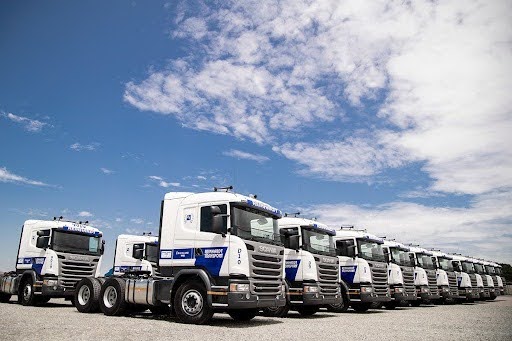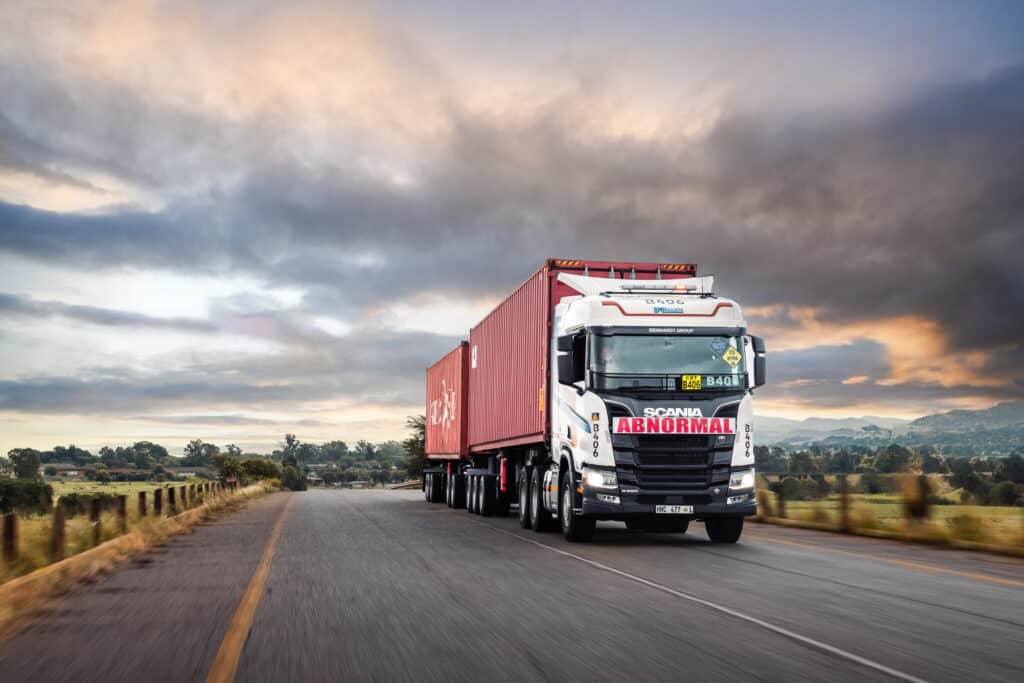
Transporting high-value commodities such as ferrochrome, managed across specialised divisions within Reinhardt Transport Group, as well as specialised mining materials and other valuable industrial cargo, requires a disciplined approach to logistics security. In these environments, secure cargo handling plays a critical role in protecting valuable shipments and ensuring that goods move safely and reliably across complex transport networks.
In industries where shipments represent substantial financial value, even minor disruptions can have serious consequences. Theft, tampering, cargo damage, or delivery delays can affect operational timelines, contractual obligations, and long-term client relationships.
For this reason, secure cargo handling is not simply an operational requirement – it is a strategic priority for organisations responsible for high-value freight logistics.
While each logistics environment presents unique considerations, in established logistics environments, cargo security is embedded within operational systems, planning processes, and fleet control frameworks rather than treated as a standalone function.
Table of Contents
Understanding the Risks in High-Value Freight
High-value cargo movements require structured operational control and mitigation throughout the supply chain.
Common challenges include:
- Cargo theft or organised freight crime
- Unauthorised access during loading or transit
- Tampering or contamination of goods
- Handling damage caused by improper equipment
- Delays caused by infrastructure or coordination issues
When shipments involve valuable commodities or time-sensitive deliveries, a lack of structured operational control and mitigation can translate into measurable financial losses and operational disruption.
For mining exporters and commodity producers, maintaining secure logistics processes helps protect not only physical assets but also reputational credibility with international buyers and stakeholders.
A proactive security strategy, implemented consistently across transport, storage, and documentation processes can improve control and mitigate risks.
In mature logistics environments, these risks are managed through structured operational controls, embedded within planning, fleet management, and monitoring systems.
Best Practices for Secure Cargo Handling
Secure Loading & Transport Equipment
The first layer of cargo security begins with the transport equipment itself.
High-value freight logistics operations typically rely on robust, purpose-built vehicles designed for the type of commodity being transported. For example:
- Transport configurations vary depending on the commodity, value, and risk profile. Bulk commodities may require specialised tipper configurations, while higher-value or sensitive cargo is often moved using enclosed, containerised, or otherwise secured transport solutions.
Vehicles should be regularly maintained and fitted with security features such as reinforced locks or tamper-evident seals.
Maintaining equipment integrity reduces the likelihood of mechanical failure and helps prevent unauthorised access during transit.
Driver Vetting & Training
Drivers play a critical role in maintaining cargo security throughout the transport process.
A strong security framework generally includes:
- Background checks and licence verification
- Evaluation of driving experience and compliance records
- Ongoing training in cargo security procedures and incident response
Regular training ensures drivers remain informed about evolving security risks and operational protocols. It also supports consistent implementation of security standards across transport operations.
Real-Time Visibility & Monitoring
Modern high-value freight logistics increasingly relies on real-time monitoring technologies to maintain oversight of cargo movements.
Common monitoring tools include:
- GPS vehicle tracking
- Geo-fencing systems
- Onboard cameras or sensor systems
- Automated alerts for route deviations or unscheduled stops
These technologies allow logistics operators to respond quickly to unexpected changes in route activity.
Real-time monitoring also contributes to operational transparency for clients and stakeholders.
These systems form part of a broader control environment, where visibility, route adherence, and exception management are continuously monitored.
Secure Warehouse & Handling Facilities
Cargo security does not begin or end with transport. It also depends on the facilities where goods are loaded, transferred, or temporarily stored.
Secure warehousing practices typically include:
- Controlled access depots
- Surveillance systems and monitoring
- Adequate lighting and perimeter security
- Clearly designated staging areas for cargo transfers
These measures help ensure that goods remain protected during transitions between transport modes or operational stages.
Risk Mitigation & Insurance
Despite strong preventative measures, logistics operations must also prepare for potential incidents.
Maintaining comprehensive Goods-in-Transit insurance can provide financial protection (subject to policy terms) against unexpected events such as theft, damage, or accidents.
In addition, organisations should establish clear procedures for:
- Incident reporting
- Claims processing
- Risk assessment and mitigation planning
Having predefined protocols allows logistics teams to respond quickly and efficiently when disruptions occur.
Process Documentation & Chain of Custody
Another essential component of cargo security best practices is detailed documentation throughout the supply chain.
Recording each stage of the transport process, loading, transfer, transit, and unloading, supports accountability and traceability.
Best practices include:
- Time-stamped handling records
- Authorised signatures for cargo transfers
- Standardised documentation formats
- Clear audit trails for cargo movement

Illustrative Example (Anonymised)
Consider an anonymised scenario involving the transport of high-value mineral cargo.
In this case, the exporter implemented several security measures, including sealed containers, GPS monitoring, and documented chain-of-custody procedures. Throughout the journey, logistics teams monitored route adherence and maintained real-time communication with the transport fleet.
The shipment was delivered as planned, with documented handover records, no security incidents, and full documentation available for compliance review.
While every logistics environment differs, this example demonstrates how combining multiple security practices can significantly strengthen cargo protection.


Strengthening Security Across High-Value Logistics Operations
Secure cargo handling is a foundational requirement for industries transporting valuable commodities. By implementing structured security practices, supported by monitoring technology, trained personnel, and robust documentation, organisations can reduce operational risks while protecting valuable assets.
For businesses operating in high-value freight environments, partnering with experienced logistics providers can further strengthen security, continuity, and operational control across complex transport networks.
If you’re reviewing high-value cargo risk controls, a confidential discussion with Reinhardt Transport Group can support an assessment of security requirements and handling protocols.